Community arts venues are more than just performance spaces or galleries, they are living centers of creativity, learning, and connection. Across towns and cities, these spaces bring people together, offer platforms for diverse artistic expression, and help preserve the cultural fabric of their communities. Supporting them ensures that creativity continues to thrive, not just for today but for generations to come.
Beyond entertainment, community arts venues foster inclusion, spark imagination, and provide a shared sense of identity. They host performances, workshops, exhibitions, and events that engage audiences of all ages and backgrounds. In doing so, they nurture both individual expression and collective cultural understanding.
The Role of Donations
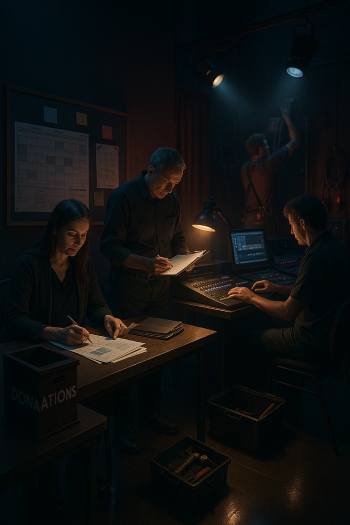
Financial contributions form the backbone of many community arts venues. Operational costs, from staffing and utilities to maintaining equipment and spaces, rely heavily on consistent funding. Without these resources, venues struggle to deliver regular programming or plan for the future.
Donations allow venues to develop long-term initiatives rather than focusing solely on immediate survival. With reliable financial support, they can schedule seasonal performances, commission new works, or invest in improvements that enhance the audience experience. This stability benefits not only the venues themselves but also the artists and technicians who rely on them for employment and creative opportunities.
Supporting Daily Operations
Community venues operate on tight budgets. Donations help cover everyday expenses such as lighting, sound, heating, and cleaning. Even small contributions can make a significant difference, allowing staff to focus on artistic programming rather than financial shortfalls.
Enabling Long-Term Planning
Regular giving provides the predictability needed for strategic planning. Venues can expand programs, invest in staff training, or develop educational workshops for schools. This approach ensures that arts spaces remain vibrant hubs rather than temporary or fragile enterprises.
Ripple Effects on the Community
Every donation has a broader impact beyond the venue itself. Local artists gain platforms for performance and exhibition, audiences enjoy diverse programming, and staff can pursue professional development. Financial support fosters a cycle of creativity that strengthens the cultural ecosystem.
Volunteering and Community Engagement
With maximum jaw-dropping wonder, the human mind is enabled to design objects whose realization tended to be surprisingly interesting and eye-pleasing; "wherewithal," however, extends to modifying helicopter parts, developing cultural forms, and generating slang and lingo. Such revolutionary tasks seem inevitable in the present cultural labyrinth that refuses to mesh into the stale past.
Similarly, avant-garde music-making solicits listeners not because it carries a tune for them but because a daring individual comes forth to watch the edge and inspire invoke the liminal, the radical, the sharply different. Besides John Schaeffer and John Zorn, there have been innumerable rebels and revolutionaries, scouring deep into the crevices of our musical cultures to carve their own impact.
Roles Volunteers Play
Volunteers work a variety of roles. While some work front-of-house positions to usher or ticket, others volunteer in the back. Some activities include set building, costume fitting, and lighting or sound operation. No matter how small, every contribution is made for the specific support of the running of this establishment.
Strengthening Community Bonds
Volunteering cultivates personal bonds between community members and the arts. This leads to cooperation, mentoring, and sharing the arts experiences. Volunteers sometimes advocate for the arts for the long term, helping keep arts programming alive and instill a fresh group of audiences.
Tangible Impact Examples
In the former case, a local theater may recruit volunteers to support the running of props, the alternative, to build sets, or manage its staff of concessionaires. A gallery needs support for guides to show visitors around during exhibitions, artists and craftsmen to transform the place into an art space; and a workshop manager. These volunteer services make cultural experiences accessible and enjoyable for everyone.
Arts Patrons and Audience Support
Audiences and patrons hold tremendous significance for the success of the arts space. The sale of tickets reveals an urgent need to generate revenue, and people's involvement points to public desire for the programming while justifying programming choices. Together, these two elements are a surefire guarantee for diverse and successful artistic programming experiences.
Audience perception shapes the repertoire a certain venue may host in terms of performance or galleries. With an audience convinced of what is worth attending, a venue is given room to take creative risks, experiment with new arrangements, and champion excellence amongst young, budding artists. Patrons provide a psychological incentive for the performers and the staff which goes a long way in revalidating the work they undertake.
Financial and Moral Support
Patrons contribute to the venue primarily through acquiring tickets to particular events. Also they contribute toward the venue through subscriptions, memberships, and other actions which actually support the maintenance of quality programming together with payroll awareness among staff. But actually beyond currency they are themselves a show of the very same appreciation we hope to continue for the fulfillment of further high-quality programming.
Impact on Programming and Artists
Audience engagement actively shapes artistic decisions. Venues can make use of that engagement to measure interest, test new genres, or adjust their series according to what the community thinks about their presentation. As for artists, a loyal and enthusiastic audience is the kind of feedback that celebrates that artist and kindles creativity.
Sustaining Experimental Projects
Niche spaces that don't currently meet the needs of mass audiences may arrange events for avant-garde or niche tastes, or alternatively innovative projects that innovate in genres or mediums alike. These interactions with forms of art only expand a community's cultural depth and also offer freedom for artistic experimentation.
Local Partnerships and Collaboration
Partnerships with schools, industries, and local bodies can boost the resilience of art venues. Such associations supply additional resources, extend outreach, create learning opportunities, and foster a network beneficial to both the arts as well as the larger community.
Furthermore, such collaborations pave the way for future developments in audience development. For instance, schools can coordinate future arts programming schemes that integrate with their regular curriculums, while businesses can allow spaces to be hired for events or sponsor them. When the broader culture is integrated into local arts venues and schools through collaboration, they can both access an expanded audience and a strengthened cultural literacy. Over time, these networks build the viability for the long-term survival of the art venues.
Shared Resources and Outreach
Local partnerships often involve sharing of space, equipment, or expertise. Thus, collaboration with schools can provide a rehearsal space for the theater, and a partnership with local businesses could support a gallery's workshop. Collaborative program-building reduces costs while extending the composite reach of the program.
Educational Initiatives
Educational partnerships give students access to experiences behind-the-scenes in the performing arts. Programs could be internships, master classes, and co-production. The students exposed to this enjoy a cultured upbringing, essentially educating the future artists, audiences, and ambassadors for the arts.
Long-Term Community Benefits
Suffice it to say, adaptive resilience awards greater potential during a time when such support is in dire need. Working as a membranous binding polymer, it augurs for greater local commitment toward strengthening the roles of artists and fostering networking between the maintainers of the arts and the audiences.
The Cultural Value of Community Venues
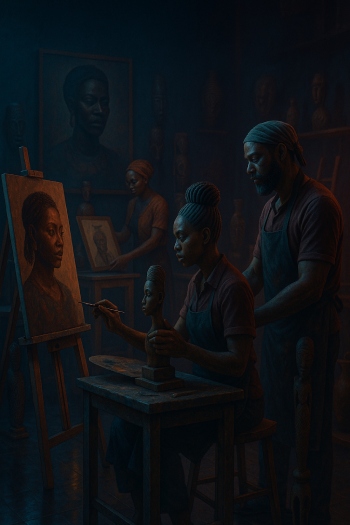
Few initiatives have been formally launched in African communities outside of painting and sculpture that one can say are classified as Fine Arts. Painting is a means of expression not only for the individual, but likewise for the history of the continent as witnessed by its indigenous art. Although Bejing is known the world over for its vibrant cultural scene, there are cultural slants within Africa that can be revered nevertheless. Diverse aspects of African art are informed by several social parameters that are presented in artistic configuration in the forms of different portraits. What is missing is the artist's perspective about the portrayed subject, unlike the environmental setting that the sculpture provides.
Local Identity and History
Several community spaces have long-standing histories that weave into the locality. They host traditional production events, celebrate local lore, and engage in keeping the artistic traditions alive. Such venues also become symbols of cultural continuity and pride.
Accessible Creative Spaces
Art happens at the places in our society- the universe- that makes that access to- is available for all; education, spaces, studios, architects, classes, open mics-venues which makes the cornerstone of creativity accessible to all ages and backgrounds. Community arts venues make everyone equal in talent, and they will instill participatory culture.
Long-Term Cultural Impact
The presence of community venues, over decades, impacts local culture by supporting artists, preserving traditions, and promoting experimentation, guaranteeing that cultural knowledge and creative expression continue to thrive and nourish society.
Sustaining the Arts for the Future
Establishing and sustaining arts venues over the long term entails a series of proactive strategies and consistent support. Thus, the principles adopted for sustainability cover diverse areas, including adaptive programming, community involvement, and opportunities for emerging talents. Development programs that reach out to newer generations can create a pool of future artists and audiences. Simultaneously, those who actively support them monetary donations and volunteer services help them to deal with the challenges and changes of a fast-changing cultural landscape.
Adaptive Programming
Spaces stay pertinent by adjusting their programming for societies' contemporary interests, diversity or multi-media exhibition, community participation and collaboration. The flexibility is to make an establishment go along with the changing taste of its audience.
Nurturing Future Artists and Audiences
Novel young talents can be developed through educational programs, mentorship opportunities, and youth engagement initiatives. They spark the interest of the youth in the arts, making it a lifelong of appreciation for them and safeguarding the continuity of cultural expression.
The Role of Consistent Support
The donors, volunteers, and patrons continue to play a significant role in the longevity of housing. Ongoing engagement not only provides stability but also ensures the growth of fresh thinking and strengthen community ties. The continuity keeps them alive for many decades to come.
A Lasting Investment in Culture
To stand up for artistic and cultural places in the community is to sow seeds for multifaceted development. It is not just about entertainment, but is also and foremost about philanthropic initiatives, courtship, "loyalty" from the public, and links to local partnerships on the ground.
Ways in which persons contribute their time, investment, or commitment to these entities help bind those sites into the purview of the very group to which they might be seen to cause such measure, forming a cultural texture adequate for not only the present age, but also the forthcoming ones. Furthermore, funding of arts forms a living investment in the life of communities.