
Beyond entertainment, community venues play a vital educational and social role. They often run programs for youth, support emerging artists, and act as gathering spaces where people of all ages can engage with arts and culture. Understanding the multifaceted impact of these venues illuminates why they remain indispensable in nurturing both individual creativity and collective cultural growth.
The Role of Community Venues
Community venues serve as more than performance spaces; they are cultural anchors. They provide a platform for artistic expression while contributing to the social fabric of their neighborhoods. By hosting a variety of performances and events, they encourage participation, dialogue, and a sense of belonging among residents.
These venues also help shape regional identity. Cities and towns often become associated with particular arts or cultural traditions, and local venues are central to maintaining and evolving those traditions. Whether a venue regularly features local musicians or hosts workshops in traditional crafts, it helps preserve and celebrate the community’s unique heritage.
Fostering Social Connection
Live performances bring people together in a shared experience, which fosters social connection. Unlike digital media, which often isolates audiences, attending a show encourages interaction and dialogue. Friends, families, and strangers alike share reactions, insights, and discussions, strengthening community bonds and creating memorable moments.
Community venues frequently partner with local organizations to host events that go beyond entertainment, including fundraisers, cultural festivals, and public discussions. These collaborations increase accessibility and ensure that the arts remain relevant to a wide range of audiences.
Preserving Regional Identity
Venues often reflect the history and culture of their local areas. Architectural design, programming choices, and the promotion of regional artists all contribute to a sense of place. By hosting events that celebrate local traditions or contemporary adaptations of cultural practices, these venues help communities maintain a distinct identity while embracing innovation.
Types of Performances and Events
Community venues typically offer a diverse array of performances and cultural experiences. This variety ensures that there is something for everyone and that the venue remains a dynamic part of the community’s cultural life.
Music
Concerts, recitals, and music festivals are essential to community venues, offering audiences live experiences that cannot be replicated through recordings. Programming often spans classical orchestras, jazz ensembles, contemporary bands, and experimental music, appealing to both seasoned listeners and newcomers. Live music fosters appreciation for artistic talent, supporting both established performers and emerging local artists. It creates a communal atmosphere where audiences connect emotionally to the performance and each other. Beyond entertainment, music events can also include workshops or masterclasses, allowing participants to deepen their understanding of instruments, composition, and performance techniques, enhancing the cultural education offered by the venue.
Theatre
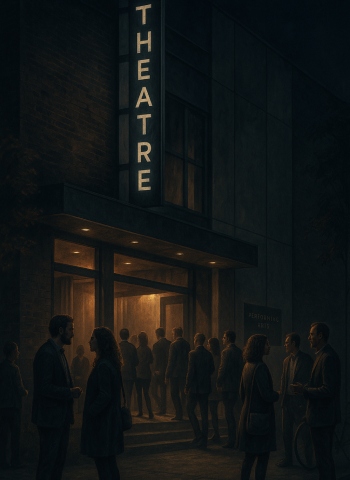
Theatre productions in community venues range from traditional dramas and comedies to experimental and interactive performances. These shows provide audiences with emotional and intellectual engagement, offering opportunities to reflect on social issues, cultural narratives, and human experiences. Local theatre groups frequently use these spaces to showcase original works, reinterpret classic plays, and involve community members in production. Theatre performances also encourage discussion and critical thinking, creating a dialogue between performers and audiences. By making storytelling accessible and relatable, community venues help foster cultural literacy, strengthen local identity, and provide a platform for voices that may not otherwise be heard.
Comedy
Comedy shows, including stand-up performances and improv nights, offer a lively and interactive form of entertainment. Laughter encourages social connection, creating shared experiences among audience members and breaking down barriers between performers and spectators. Comedy often reflects current events, cultural trends, and local values, providing subtle social commentary while keeping audiences engaged and entertained. Community venues hosting comedy events help diversify programming and attract new audiences who may not regularly attend traditional performances. Workshops in improv or comedic writing further allow aspiring comedians to develop skills, creating opportunities for local talent to grow and enrich the cultural landscape.
Film
Screenings of independent films, documentaries, and classic cinema expand the programming of community venues beyond live performances. Film events often include pre-screening talks, post-screening discussions, or Q&A sessions with filmmakers, providing educational context and fostering engagement with the art form. These events allow audiences to explore diverse perspectives, storytelling techniques, and social issues in an accessible format. Community venues may also host festivals highlighting regional talent or specific genres, creating opportunities for local filmmakers to gain exposure. By combining entertainment with cultural exploration, film programming enhances audience appreciation of both cinematic art and the broader role of storytelling in society.
Other Cultural Activities
Community venues frequently host lectures, art exhibitions, dance performances, and workshops. These activities broaden the cultural exposure of audiences and provide opportunities for lifelong learning, while also nurturing creative expression among local residents.
Supporting Local Talent and Youth Programs
Community spaces play a big role in developing local talent and providing those coming up or turning up a chance for engagement. There's certainly a massive 'cultural organization type binge' as regards the future generations of artists and audiences in terms of the calibrating experiences it can inspire-a collection of cultural centres can be optimized in their relation to young aspirational groups to highlight the meaning and possibility (i.e., encourage them to 'come in' as groups increase), and to foreground mental exposure and self-discovery, not to mention build up instruments for social change.
Nurturing Emerging Artists
So as to secure venues, artists who are still making their way in the music/art community have a number of training venues available to them for practical exercise of their skills. Performance space, rehearsal space, organization, and technically adept mentor, among others, contribute positively to the development of such artists and provides them recognition. This platform is necessary for the sustainability of young, innovative arts in the locality.
Engaging Young Audiences
Youth programs are the locus of communal partnership. School collaborations and artistic introductions are often nurtured by workshops for students after school. That is where curiosity and the ability to observe diverse forms of art develop. Exposure to the arts at such a young age nurtures creativity, critical reasoning, and respect for diversity. What will produce lifelong art-affiliation and engrossing interest for the arts?
Economic and Social Impact
The best possible use of natural resources is to establish sustainable local economies and create an overall enhanced health in communities. Such local construction can create five to seven times the income in the local economy relative to a higher- or lower-scaled construction with several businesses in between.
Economic Contributions
Theaters are a point where lots of people find themselves absorbed in watching some of the stupendous performances that truly captivate their feelings. This has been said to help in improving the performance standards and thus all the more bring in the flocks of people flocking in the house every time there is one to be held.
Thus, it is a paradox that while artistic creation seeks to question itself concerning its own status, art then first loses in the fundamental sense to becoming commerce, as an art event these days should alternate between art in public and privatization.
Social Wellbeing
Art centers provide good opportunities for communities to grow, bond, and develop a better understanding of themselves; that participating in live shows isn't just a boon for stress relief, but also for building empathy and taking care of their mental well-being. In the utmost trying of economic and social settings, the arts provide a much-needed refuge for self-learning adolescent potential in the form of beneficial and accessible connections.
Visitor Experience
Watching a live performance is a true sensory experience. Community events are planned to maximize audience enjoyment and interaction by offering comfortable seating, good acoustics, and well thought-out programming.
Anticipating Performances
Concerts vary so greatly in format and engaging possibilities that they might parallel engagement with the pre-concert discussions, post-performance discussion, or meet-and-greet occasions with the artists. This insight into the creative process becomes highly vocalized, since all of these offer audiences eyes and ears in a rather personable way to look and listen.
Atmosphere and Accessibility
Many community spaces endeavor to be welcoming to all kinds of audiences. Things like having wheelchair access, catering to the sensory needs of the audience, and distributing materials in multiple languages ensure that cultural experiences are extended to everyone. A venue's ambiance, ranging from black box intimacy to grandiose concert feel, can often be as important a part of how an audience feels towards a performance.
Getting Involved
Community engagement is an essential mission for live arts facilities. Apart from attending a performance, people can participate and contribute-in their own ways in the cultural life of the community.
Volunteering and Participation
There are so many steps, all depending on volunteers, to create a successful performance between front-of-house support, technical assistance, and program coordination. Volunteering offers participants an alternative view of the arts along with personal growth. On the other hand, those with gifts in the arts can lend them to the community in different forms, such as participation in workshops, performance groups, or local productions.
Supporting Programs and Events
Ultimately community members can also help support venues by attending performances, joining membership programs, or donating to initiatives supporting youth programs and emerging artists. This kind of positive interaction ensures that the places are sustainable and have more cultural offerings.
Collaborations and Partnerships
Local institutions collaborating with venues help anchor cultural activity within broader community initiatives, fostering cultural literacy and engagement. These partnerships create opportunities for experimentation, allowing venues to offer programming that reflects diverse perspectives and highlights the creativity of performers, ultimately enriching the communities they serve.
Technology and Innovation in Performance
The contemporary community spaces are technology-enabled to offer a more enhanced, readily accessible audience experience. Like in this age of ubiquitous internet and social media, live streaming, interactive installations, and digital ticketing systems have enabled cultural words to transcend physical walls, connecting remote audiences to further enrich the arts.
Consequently, the technology provides support to artists through audio, lighting, and stage design tools, which navigate the quality and creativity of various productions. In embracing innovation, venues ensure that the traditional art forms remain current while they seek new ways to engage audiences. This marriage of art and technology will enable and encourage experimentation leading to a more open and varied cultural conversation.
Living Cultural Hubs
Providing something beyond any number of entertainment venues, the "lively arts" and community arts venues really represent how a community comes to life. They give support for creativity, develop local talent, and create bonds that make the group more communal by giving the experience of joy shared. It can thus be said that they serve as cultural institutions within their regions.
Celebrating the arts, community venues foster pulses of inspiration, discourse, and communal connection. They remind us how culture tends to survive when shared, sounding off the benefit that accessible and vibrant venues enrich the lives of individuals and the greater community. If we visit, participate in, and support these locales, we are ensuring that these arts can continue, hence ensuring they become something more permanent in the walls of local identity and group creativity.